before
after
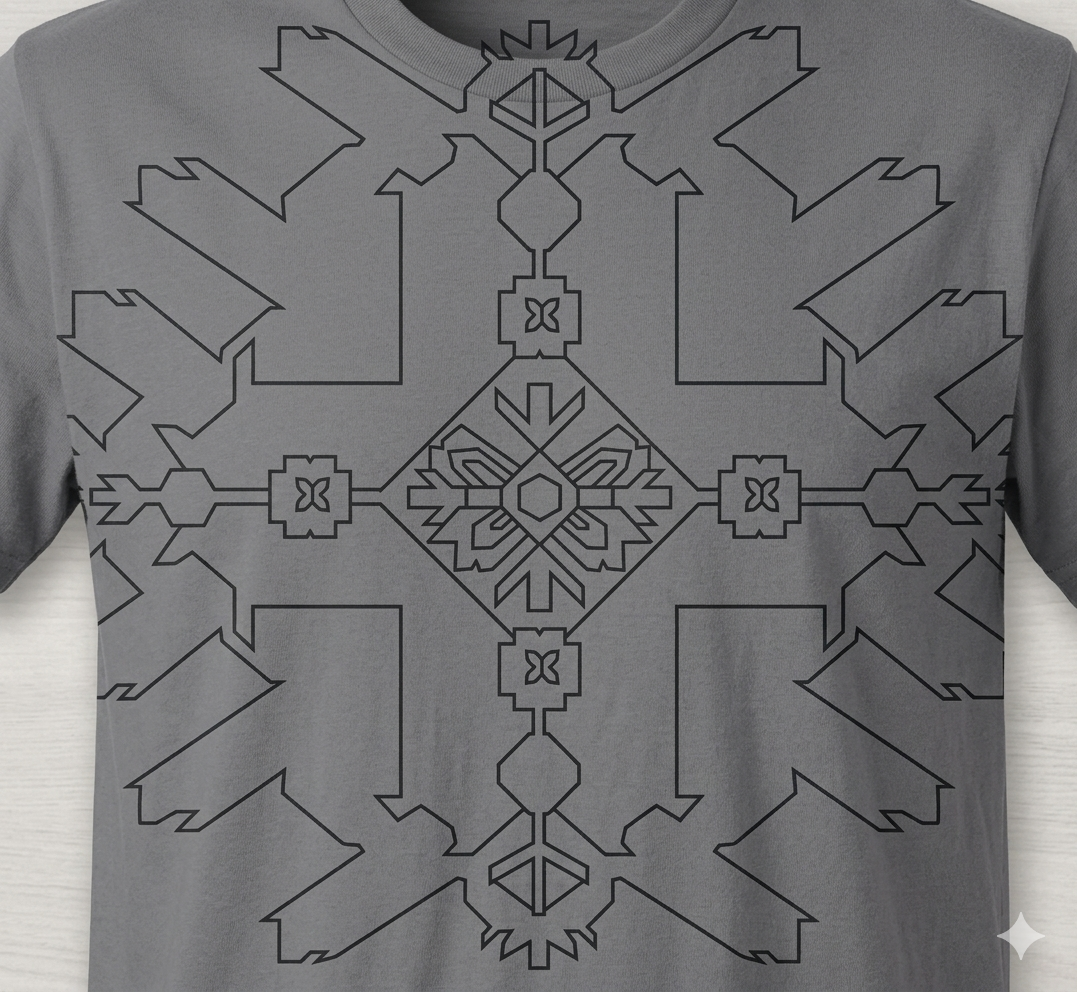
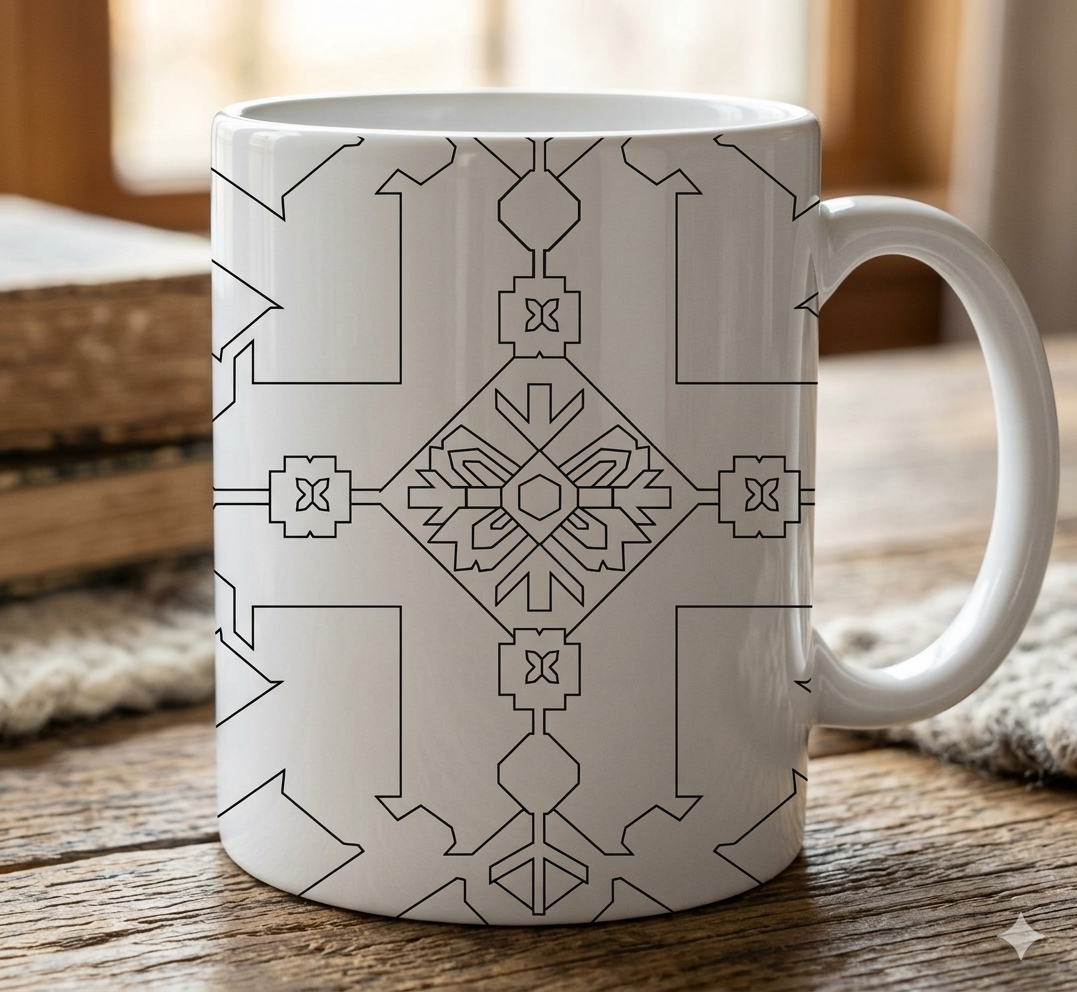
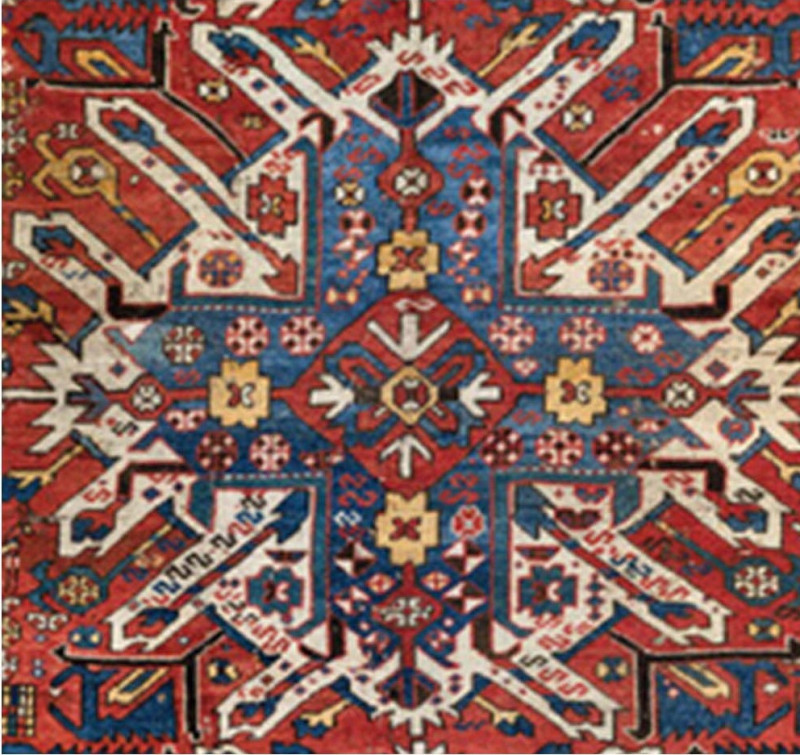
The “Jraberd” type carpets are classified as dragon carpets. In various sources, the carpets of this group are also called “Charaberd”, “Chalaberd”, “Artsvagorg”, “Adler-Ghazakh”, etc. The earliest examples of the carpet date back to the 17th-18th centuries. The “Jraberd” type carpets were mostly distributed in the carpet weaving centers of Artsakh and Syunik.
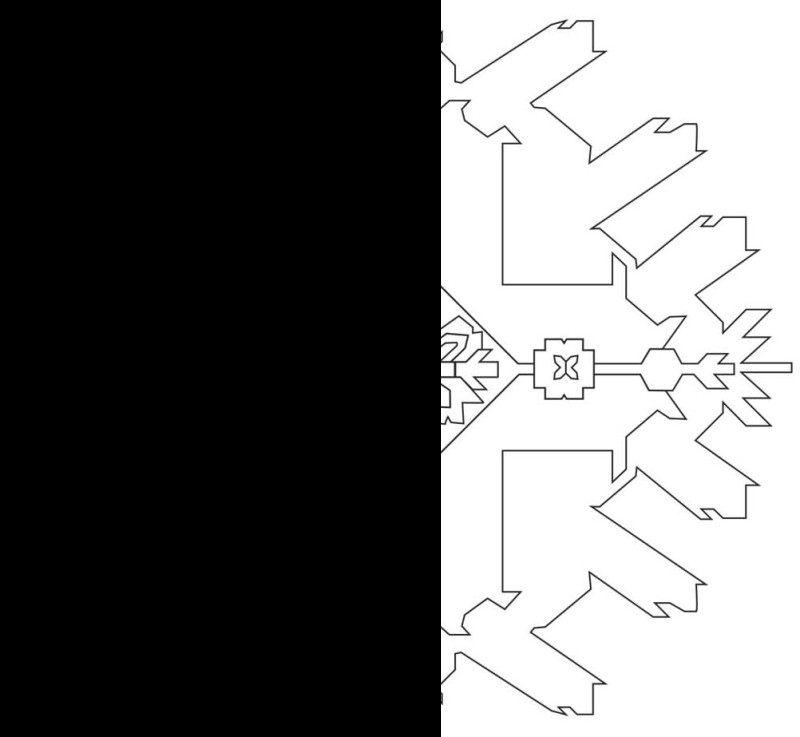
The main characteristic of the “Jraberd” group carpets is the large and complex design with a cross-shaped axis, on each vertex of which stylized pairs of bird heads are depicted. All this is complemented by ray-like appendages, which Ashkhunj Poghosyan calls “radiant design”. In the center, a four-leaf rosette is enclosed in a rhombic ornamental frame, which is also known in Armenian ornamental art as “the world of ornaments”.
According to Ashkhunj Poghosyan’s classification, two subgroups of the “Jraberd” group of carpets are distinguished: “Classical Jraberd” and “Late Jraberd”.
Carpets belonging to the “Classical Jraberd” date back to the 17th-18th centuries and are mainly characterized by a “radiant” composition and stylized dragon images. This subgroup, in turn, has several types of carpets:
-“Guharyan Jraberd”. In the decorative system of carpets belonging to this type, in addition to the main composition, lyre-shaped compositions consisting of dragon-shaped stylizations are also of key importance, the classic example of which is the famous “Guhar” carpet woven in 1700. The main regions of origin of these carpets are Artsakh and Syunik.
-“Dzknavor Jraberd”. The “Jraberd” pattern, various multi-leaf rosettes and large fish-shaped stylizations are equally important in the decorative system of these carpets. A rare specimen belonging to this type and dating back to the 18th century is kept in the National Gallery of Armenia. Another peculiarity of this carpet decorative system is that on the opposite peaks of the main pattern there are complex arc-shaped patterns that resemble fish images. The regions of origin are considered to be the carpet weaving centers of northwestern Persia and eastern Vaspurakan.
“Late Jraberd” - date back to the 19th-20th centuries. Carpets of this subgroup were created on the basis of further developments of the classical carpet decorative systems, but there are no dragon lyre-shaped stylizations here. The types of carpets of this subgroup are:
- "Jraberd", which is characterized by one or more "rayed" classical motifs. The main regions of their production are Artsakh and Syunik. This type includes the carpets called "Yan" by V. Tatikyan, whose motif is formed by the repetition of the main shield. They were most widespread in the Khachen and Varanda provinces of Artsakh. In some carpets, the shield has been compressed, eight of its twelve rays remain, the central cross and the hooked eagles on the wings have disappeared, but the charm of the carpet has nevertheless been preserved. Carpets of the "Yan" type were spread during ceremonies, the elders of the family would all sit on one shield, thus giving the shield the meaning of a protective sign. Different types of shields symbolized the lineage of individual clans.
-The “Jraberd-Varanda” type has a composition in the form of a butterfly with spread wings, and in the center is a four-leaf rosette of the “world of jewelry”. In addition to the main composition, the decorative system of the carpet field is supplemented with small floral patterns and animalistic stylizations. Dozens of perfect examples of this type belong to the carpet weaving centers of the Varanda province of Artsakh, and especially to the village of Berdashen. It is not excluded that this type may be one of the carpet paintings made at the end of the 19th century, which were made by specialist artists and provided to the artels of the Caucasian Home Crafts Union and individual home craftsmen.
-In the case of “Jraberd-Dizak”, instead of twelve rays, the same number of stylized bird heads are presented. In the center of this composition there is a longitudinal ornament. Its vertical peaks have a ram's horn image, and on both sides of the latter, a bird-shaped stylization. Another important component of the decorative system is the "Tree of Life" ornament, which is usually depicted on the edges of the main composition. This type of carpet is especially characteristic of the carpet weaving center of the Dizak province of Artsakh. It was also widespread in the carpet weaving centers of Zangezur, especially in the villages of Tegh, Kornidzor, Khndzoresk, in the Goghtan province, Yernjak, and Sharur.
We would also like to add that although the Jraberd type of carpets is characteristic of the carpet weaving centers of Syunik and Artsakh and it is an accepted view that they originated there, it is also known that their individual types and variants are widespread in other carpet weaving centers as well, in particular in the carpet weaving centers of the northeastern Caucasus, northwestern Iran, and western regions of Asia Minor.
Literature:
-Ashkhunj Poghosyan, On the Genealogical Issues of the Jraberd Group of Carpets.
-Vahram Tatikyan, The Tribal Carpets of Artsakh
-Ashkhunj Poghosyan, “The Carpet Weaving Culture of Artsakh”